
We recently organised a workshop aimed at evaluating risks and opportunities that the use of generative AI brings to media, democracy, and electoral processes, as part of a broader process of writing an advisory report on this topic for the Council of Europe. Led by Laurens Naudts, Natali Helberger and Claes de Vreese, the event included the following external stakeholders from media and policy in order to ensure their views are well represented in the report:
- Limelight Foundation
- Ministerie van Binnenlandse Zaken en Koninkrijksrelaties (Dutch Ministry of External Affairs)
- Algorithm Audit
- RNW Media
- SIDn Fonds
- Stichting Democratie en Media
- Tweede Kamer (Dutch Parliament)
The discussions centered around the most pressing needs in terms of the interplay of (generative) artificial intelligence and media and electoral systems. Among the points of inquiry was the question of how to strengthen abilities of differentiating legitimate and illegitimate AI-generated content across individual and institutional levels through transparency strategies. Another consideration was reducing power asymmetries caused by infrastructural dependencies in media and electoral ecosystems, which could be possible through more shared data pools and open models. Other concerns surrounded the support of the watchdog function of civil organizations, journalism and academia, as well as the importance of scrutinizing tech-solutionist industry messages to politicians, and shifting the focus towards human-centric and rights-oriented approaches to AI development, deployment and governance.
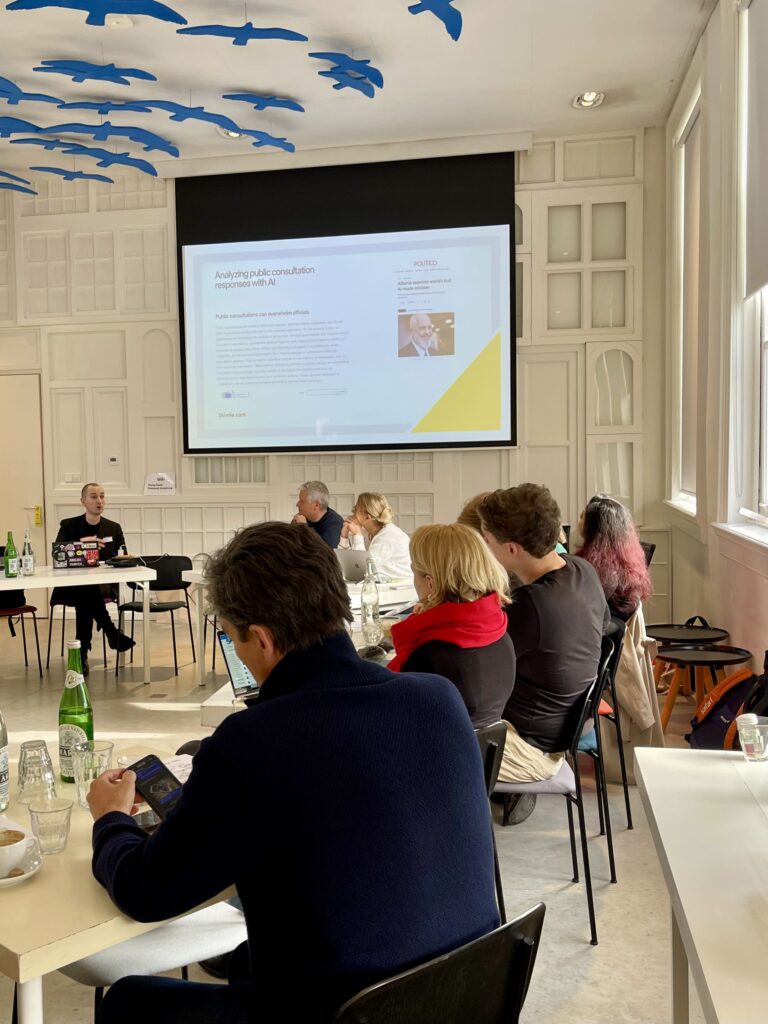
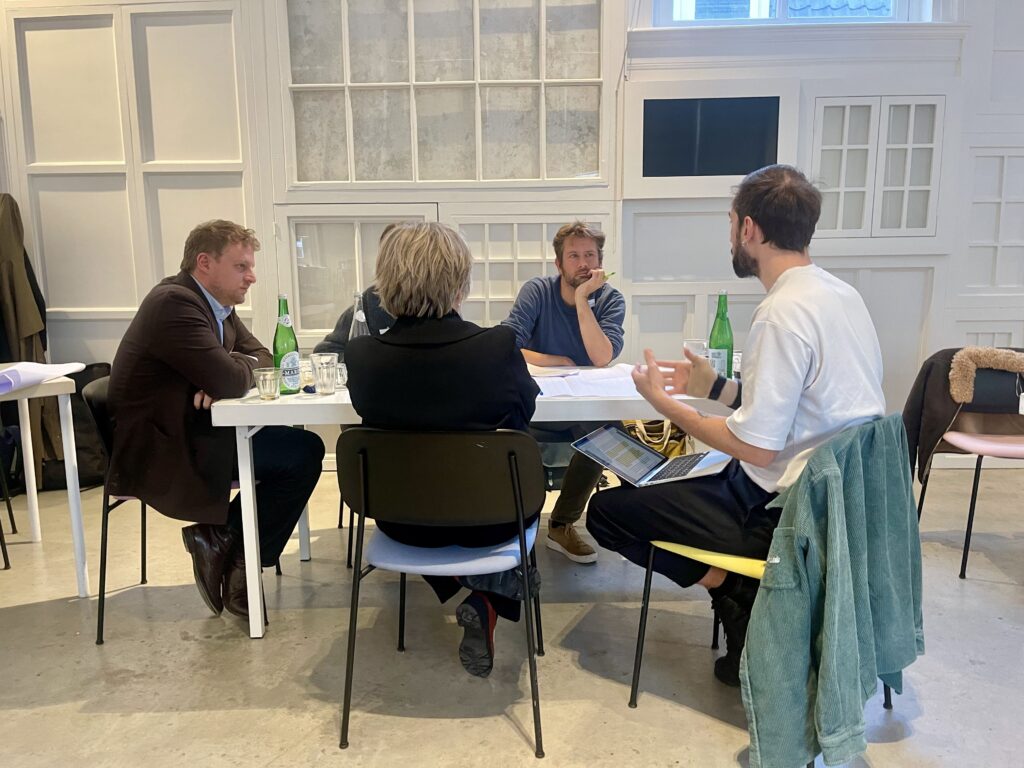
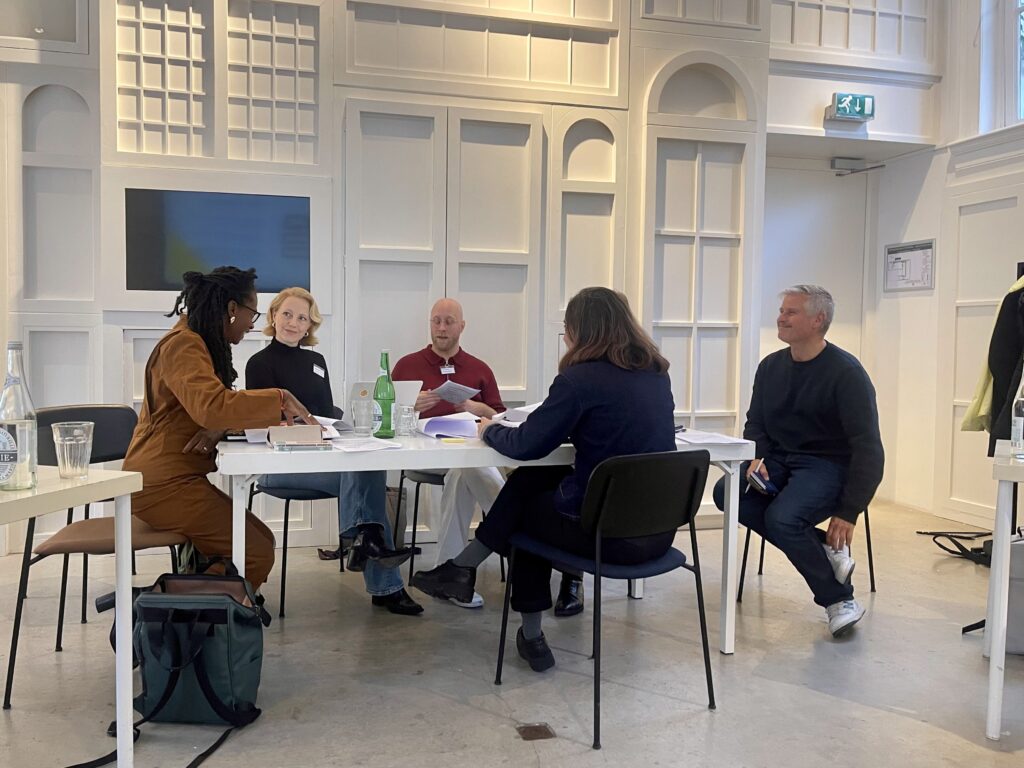
The gathering was productive, having found key areas in media and policy for the report to focus on and to bring to the attention of the Council of Europe in terms of assessing AI use. We are thankful for all the valuable insight we received — stay tuned to see how it was incorporated into our report, which will be published soon!
